Weekly album battle · No. 18 · Wednesday, 4 November 2026 · Final result

Slipknot vs Toxicity

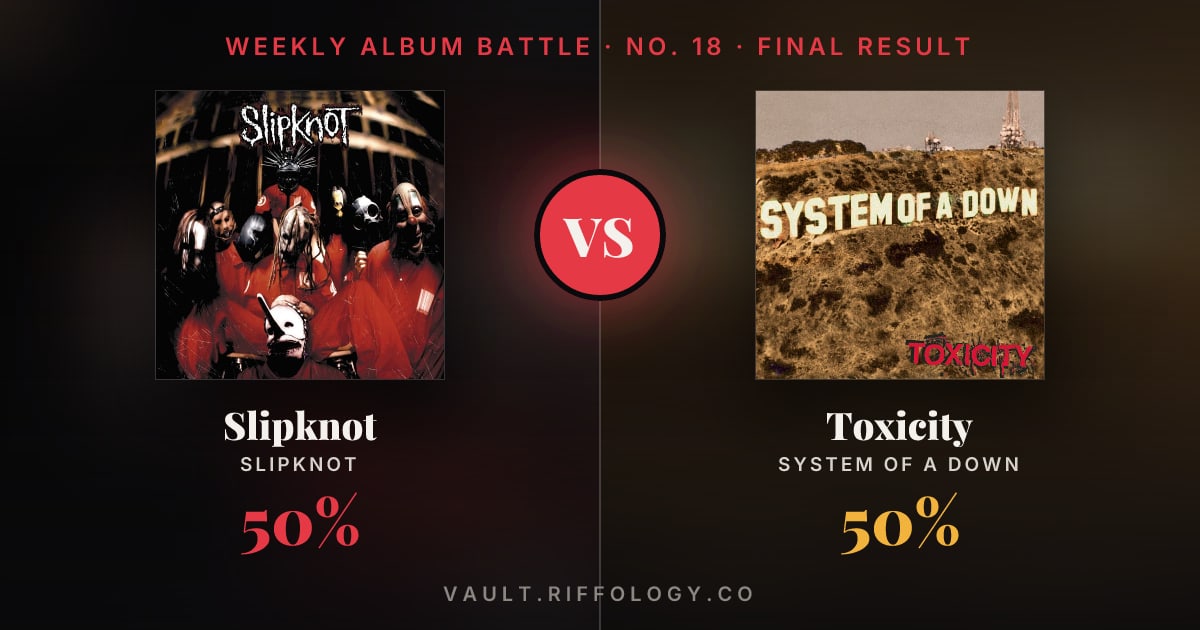
Slipknot against System of a Down. Both alternative metal, released two years apart. A dead heat: 2 votes, split down the middle.

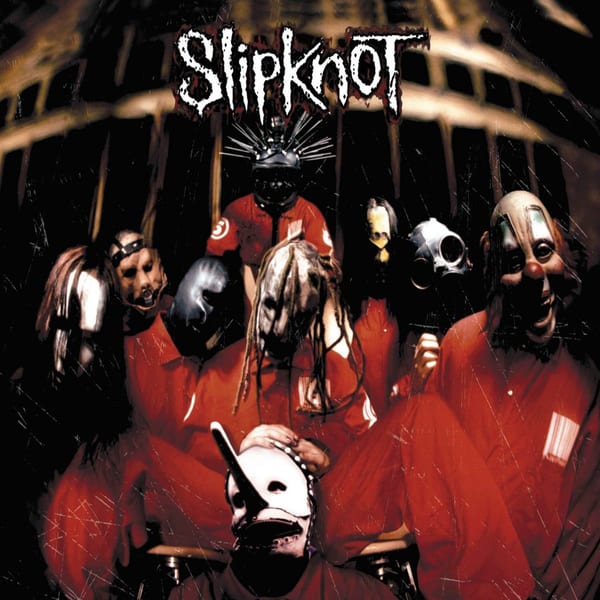
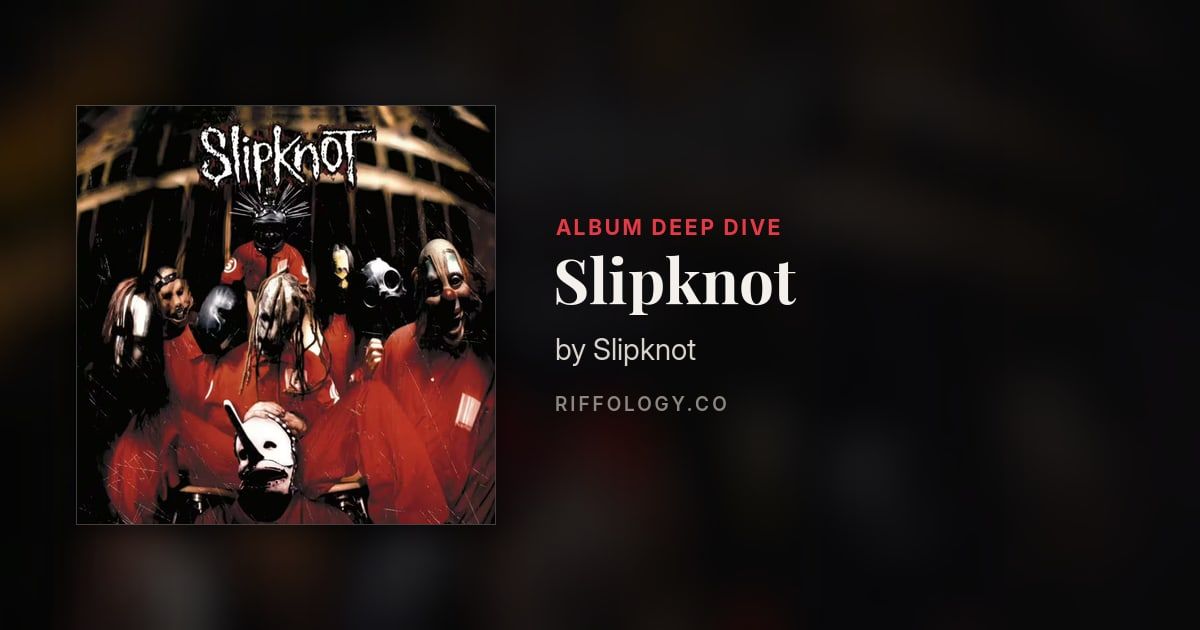
Slipknot by Slipknot, album cover
SlipknotSlipknot
1999 · Roadrunner Records
50%
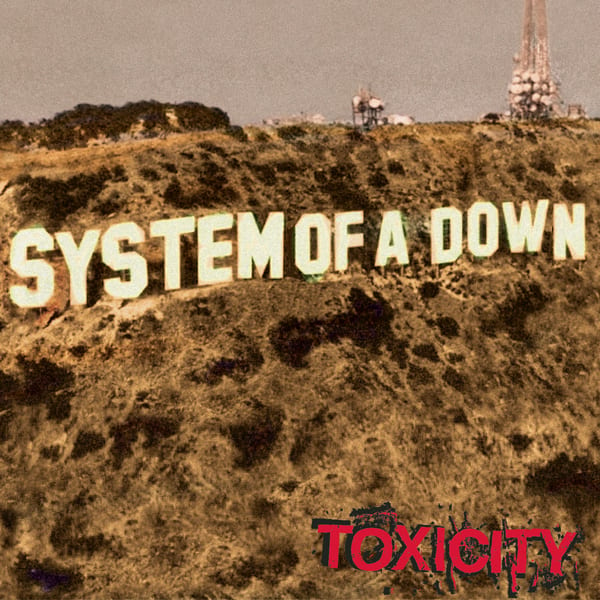
Toxicity by System of a Down, album cover
ToxicitySystem of a Down
2001 · American Recordings
50%
1 vote50%Slipknot
Toxicity50%1 vote

A dead heat: 2 votes, split down the middle.

How the vote swung (UTC)
Slipknot aheadToxicity ahead
Share card: Slipknot against Toxicity
Share the result

Slipknot vs Toxicity: which side are you on? Riffology's weekly album battle

#RiffologyBattle #Slipknot #SystemOfADown

Posting to Instagram? It doesn't show links, so post the picture with a caption.
Download image

The case for each

Slipknot by Slipknot

Slipknot's debut, released by Roadrunner on 29 June 1999, sounds like a band trying to escape the speakers. Ross Robinson, producing alongside the group at Indigo Ranch in Malibu, wanted the chaos of their live shows on tape, so the drums were done in three days and the experimental detours and guitar solos were cut. What's left is a thicket of percussion, turntables and samples, mixed on analogue gear, with enough melody in "Wait and Bleed" to earn a Grammy nomination for Best Metal Performance. It became the fastest-selling metal debut in SoundScan's history and went triple platinum in the US, and in 2011 Metal Hammer readers named it the best debut of the previous 25 years.

Slipknot's self-titled debut arrived on 29 June 1999 on Roadrunner Records, following a 1998 demo that previewed a few of its songs. Ross Robinson produced it, aiming to sharpen the band's sound rather than steer them somewhere new. It is the only album to feature original guitarist Josh Brainard, who left once recording wrapped in late 1998.

The full story, tracklist and credits →
Toxicity by System of a Down

Two years later, System of a Down went the other way. Where Slipknot stripped back, Toxicity, released on 4 September 2001, throws every door open: harmonies and proper singing, sitar, banjo and piano, flashes of jazz, folk, and Armenian and Greek music. Produced by Daron Malakian, Rick Rubin and Serj Tankian, it was whittled down from more than 30 songs to 14, and it aims its fury outward, at mass incarceration, the CIA and police brutality. It went to number one on the Billboard 200 after selling 220,000 copies in its first week, every single reached the Hot 100, and "Aerials" topped both the Mainstream Rock and Modern Rock charts.

Toxicity is the second album from System of a Down, released on 4 September 2001 through American Recordings. Following their 1998 debut, it brings in more melody, harmony and singing, and stretches beyond its alternative metal and nu metal frame with touches of folk, progressive rock, jazz, and Armenian and Greek music.

The full story, tracklist and credits →

By the numbers

On paper: 0–7
Slipknot
Toxicity
29 June 1999
Released
4 September 2001
Roadrunner Records
Label
American Recordings
Ross Robinson, Slipknot
Produced by
Daron Malakian, Rick Rubin +1
Indigo Ranch Studios, Indigo Ranch (Malibu, California)
Recorded at
Cello Studios (Hollywood)
—
Recorded
March–July 2001
1:00:28 · 15 tracks
Running time
44:06 · 14 tracks
2
Singles
3
No. 37
UK chart peak
No. 13
No. 51
US Billboard 200 peak
No. 1
3× Platinum
US certification
7× Platinum
Platinum
UK certification
2× Platinum
11k
Listeners
24k
258k
Wikipedia readers, last year
268k

Charts and certifications from Wikipedia, credits from MusicBrainz and Wikidata, listeners from ListenBrainz. A dot marks the stronger number.

On Riffology

riffology.co →

Previous battles

Every battle →

Battle champions

Albums with the most battle wins.

  1. 1
    Mer de nomsA Perfect Circle
    1–0
  2. 21–0
  3. 3
    Rage Against the MachineRage Against the Machine
    1–0
  4. 41–0
  5. 5
    DoolittlePixies
    1–0
  6. 6
    BadmotorfingerSoundgarden
    1–0
  7. 71–0
  8. 81–0
  9. 91–0
  10. 10
    The Real ThingFaith No More
    1–0

How the weekly album battle works

Every Monday at midnight UTC the vault draws two well-known studio albums, close in popularity, era and style, and puts them head to head for the week. Everyone sees the same battle. You get one vote, and the result is shown once you've voted. Voting closes at midnight UTC on Sunday night, when the next battle starts and the result goes into the record books for good.

No album battles twice in the same year, and every finished battle keeps its own page, so the arguments can carry on.