Weekly album battle · No. 19 · Thursday, 5 November 2026 · Final result

Road to Ruin vs Give ’Em Enough Rope

Ramones against The Clash. Two punk rock albums from 1978. A dead heat: 2 votes, split down the middle.

1 vote50%Road to Ruin
Give ’Em Enough Rope50%1 vote

A dead heat: 2 votes, split down the middle.

How the vote swung (UTC)
Road to Ruin aheadGive ’Em Enough Rope ahead
Share card: Road to Ruin against Give ’Em Enough Rope
Share the result

Road to Ruin vs Give ’Em Enough Rope: which side are you on? Riffology's weekly album battle

#RiffologyBattle #Ramones #TheClash

Posting to Instagram? It doesn't show links, so post the picture with a caption.
Download image

The case for each

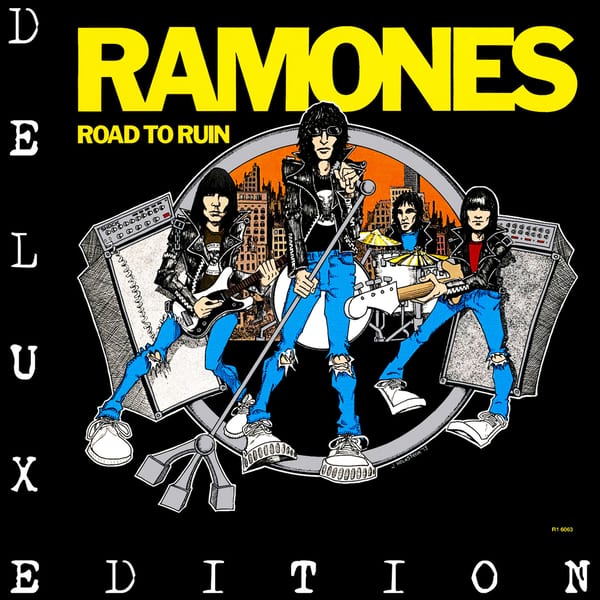
Road to Ruin by Ramones

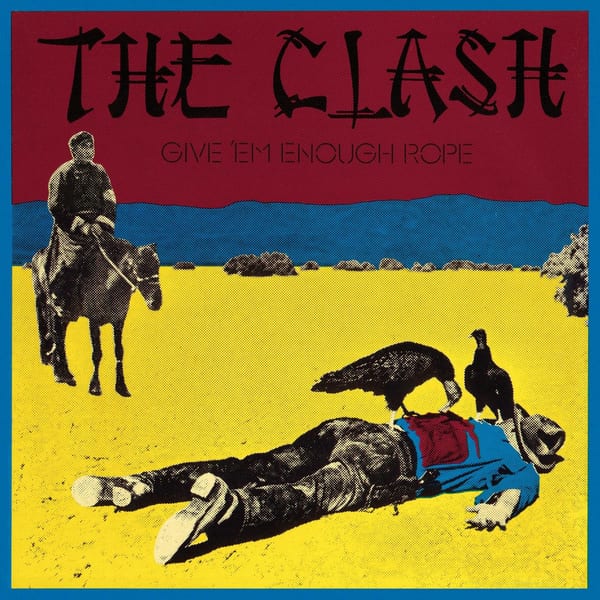
Road to Ruin is the Ramones daring to colour outside their own lines. Their fourth album, released on 22 September 1978, was the first with Marky Ramone on drums, while Tommy Ramone stayed on to produce with Ed Stasium. In came guitar solos, acoustic rhythm guitars and ballads soaked in sixties pop, a deliberate bid for American radio that stalled at No. 103 on the Billboard 200. The record outlived that disappointment. Joey wrote "I Wanna Be Sedated" in hospital after an exploding kettle burned his face and throat, and it grew into one of their best-known songs, while "Bad Brain" handed a hardcore band its name.

Road to Ruin is the fourth studio album by the Ramones, released on 22 September 1978 through Sire Records. It was the first to feature Marky Ramone on drums, replacing Tommy Ramone, who had grown tired of the touring stress and the weak sales of earlier records. Tommy stayed on to co-produce with Ed Stasium, credited as T. Erdelyi.

The full story, tracklist and credits →

Give ’Em Enough Rope by The Clash

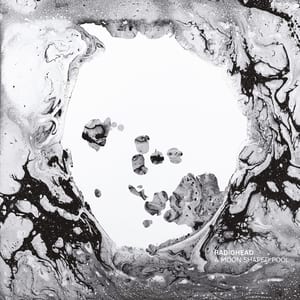
Give 'Em Enough Rope swaps that sweetness for thunder and headlines. The Clash's second album, out on 10 November 1978 and the first with Topper Headon, reached No. 2 in the UK, matching their best placing at home. Producer Sandy Pearlman, no fan of Joe Strummer's voice, mixed the drums above the vocals throughout, so it lands like hard rock with a newspaper in its fist. "Tommy Gun" takes on aircraft hijacking, "Julie's Been Working for the Drug Squad" picks over the Operation Julie bust, and "Guns on the Roof" grew partly from an air-gun, some racing pigeons and a police raid. Where the Ramones looked back, the Clash stared at the news.

Give 'Em Enough Rope is the second studio album by the Clash, released on 10 November 1978 through CBS Records. It followed their self-titled debut and was the first Clash album to come out in the United States, arriving ahead of the American edition of that first record.

The full story, tracklist and credits →
By the numbers

On paper: 3–2
Road to Ruin
Give ’Em Enough Rope
22 September 1978
Released
10 November 1978
Sire Records
Label
—
Thomas Erdelyi, Ed Stasium +2
Produced by
Sandy Pearlman
Mediasound Studios (New York City)
Recorded at
Basing Street (London), The Automatt (San Francisco)
May–July 1978
Recorded
—
31:01 · 12 tracks
Running time
36:58 · 10 tracks
4
Singles
2
No. 32
UK chart peak
No. 2
No. 103
US Billboard 200 peak
No. 128
—
UK certification
Gold
6.9k
Listeners
2.8k
80k
Wikipedia readers, last year
96k

Charts and certifications from Wikipedia, credits from MusicBrainz and Wikidata, listeners from ListenBrainz. A dot marks the stronger number.

Previous battles

Every battle →

Battle champions

Albums with the most battle wins.

  1. 1
    Mer de nomsA Perfect Circle
    1–0
  2. 21–0
  3. 3
    Rage Against the MachineRage Against the Machine
    1–0
  4. 41–0
  5. 5
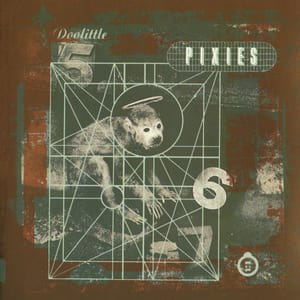
    DoolittlePixies
    1–0
  6. 6
    BadmotorfingerSoundgarden
    1–0
  7. 71–0
  8. 81–0
  9. 91–0
  10. 10
    The Real ThingFaith No More
    1–0

How the weekly album battle works

Every Monday at midnight UTC the vault draws two well-known studio albums, close in popularity, era and style, and puts them head to head for the week. Everyone sees the same battle. You get one vote, and the result is shown once you've voted. Voting closes at midnight UTC on Sunday night, when the next battle starts and the result goes into the record books for good.

No album battles twice in the same year, and every finished battle keeps its own page, so the arguments can carry on.